Community Trees. Corporate Funding.

Where carbon credits become community trees.

RootFund is a project catalog where nonprofits, municipalities, conservancies, and public agencies list native tree and planting projects that can receive climate funding through C/O Meter.
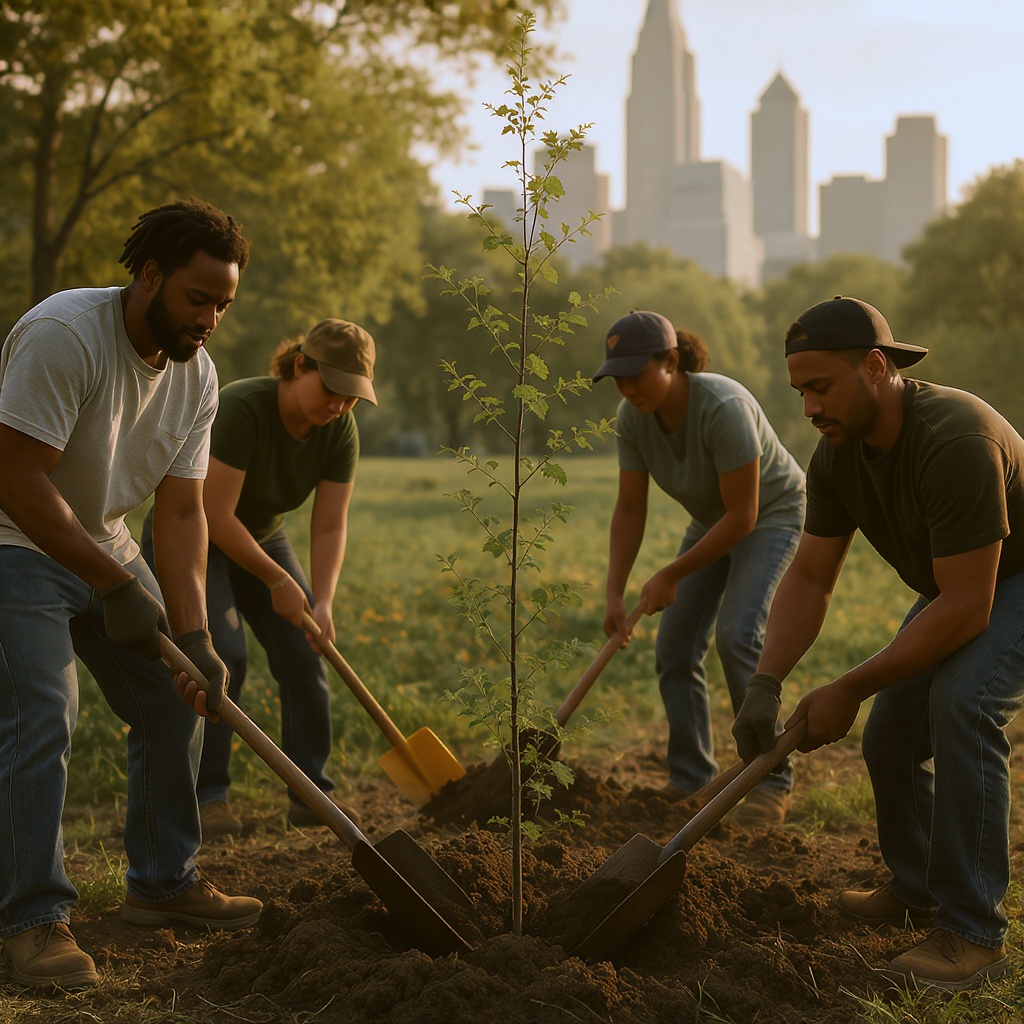
Community volunteers planting trees in an urban park
3 Partner Organizations
Open Project Submissions
Local US Fulfillment

How It Works

Four steps from need to planted tree.

1

Communities list the need

Nonprofits, municipalities, conservancies, schools, parks departments, and civic groups submit planting projects through the catalog.

2

RootFund organizes the project

Each project is reviewed for location, native plant requirements, planting goals, and fulfillment needs. Everything is documented for carbon buyers.

3

C/O Meter directs the funding

Companies use C/O Meter to direct carbon offset dollars into approved projects. Funding is tied to verified planting milestones.

4

ServeScape fulfills the planting

ServeScape sources native trees and shrubs, coordinates delivery and installation, and documents every project from start to finish.

The Ecosystem

Three entities. One purpose.

RootFund does not generate carbon credits. It creates the receiving project catalog. Every dollar that flows through here comes from a company using C/O Meter, and every planted tree comes from ServeScape.

The Project Catalog

RootFund

Receives project submissions from community organizations. Organizes and displays projects for carbon buyers. Tracks funding status from submitted to planted.

The Carbon Exchange

C/O Meter

Generates and directs carbon exchange credits. Connects corporate buyers to approved projects. Manages credit issuance and funding flow.

The Fulfillment Partner

ServeScape

Sources native trees and shrubs from local growers. Coordinates delivery and installation. Documents project completion with photo and data records.

Project Catalog

What community projects can be listed

Projects span urban forestry, habitat restoration, and community green space. Each type has its own funding pathway and fulfillment approach.

Canopy Trees

Large shade trees for parks, streets, school campuses, and public spaces

Native Shrubs

Pollinator-supporting native shrubs for habitat corridors and restoration sites

Pollinator Habitat

Native wildflower and shrub communities for bees, butterflies, and birds

Streambank Restoration

Native riparian planting for water quality, bank stabilization, and wildlife

Park Restoration

Full-site native planting and canopy restoration in existing parks

School Campus Planting

Trees and native gardens on K-12 and university grounds

Street Trees

Approved street tree species along public ROW for canopy and cooling

Food Forest

Community food forests combining canopy, understory, and edible plants

Stormwater Landscape

Bioretention and bioswale installations with native planting

Biodiversity Planting

Species-diverse native planting for ecological recovery areas

For Communities

Submit your project. Get funded.

Any nonprofit, municipality, conservancy, school, or civic organization can list a project on RootFund. There's no cost to submit. Projects are reviewed and published to the public catalog where carbon buyers can direct funding.

  • Free project submission and catalog listing
  • Native plant and tree species guidance
  • Built-in carbon co-benefit documentation
  • Direct relationship with ServeScape for fulfillment

Who can submit

Nonprofits Municipalities Conservancies Parks Departments Schools Garden Clubs Civic Organizations

Project Status

Carbon credits should build real landscapes.

The corporate offset market moves billions of dollars a year into tree planting. Most of it goes to global reforestation projects with questionable local impact. RootFund flips the model: communities define what they need, and corporate funding follows.

Open for Funding
Partially Funded
Fully Funded
Scheduled for Planting
Completed